The Role of Dunes in Coastal Protection
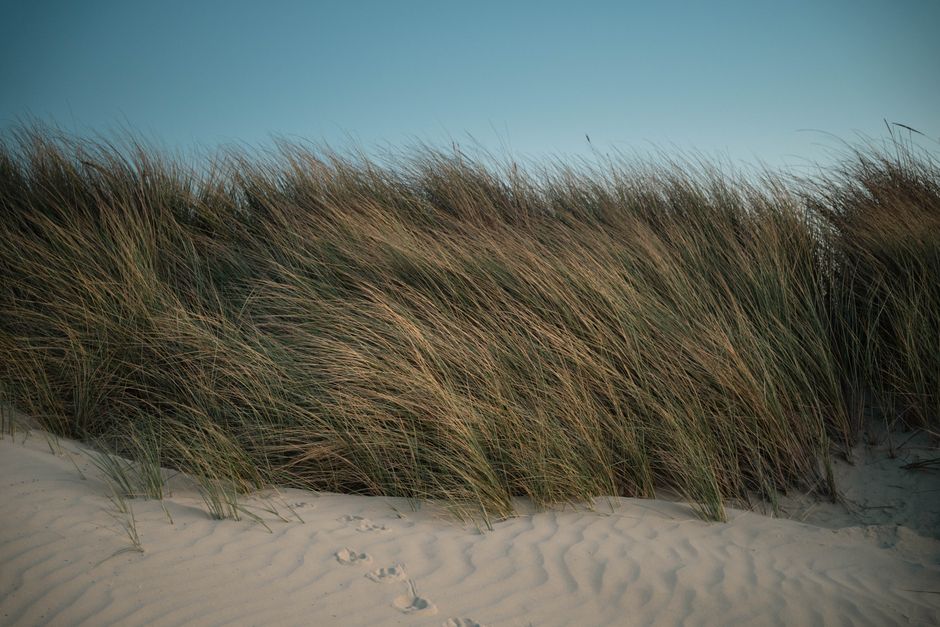
Coastal dunes are dynamic landforms that develop where sand accumulates behind beaches, shaped by wind, waves, and vegetation over time. In the United Kingdom, these dunes form an essential part of the coastal landscape, acting as natural barriers that can reduce the impact of storm surges and help adapt to sea level rise. Their ability to buffer wave energy and provide a flexible defence against erosion makes them a subject of ongoing interest for coastal managers, ecologists, and engineers.
Understanding the role of dunes in coastal protection requires examining how they form, how vegetation stabilises them, and how they respond to changing environmental conditions. This article explores the processes that create and maintain dunes, the factors that influence their resilience, and the broader context of coastal management. By focusing on the mechanisms rather than prescribing specific actions, it aims to provide a balanced view of the functions and limitations of these natural systems.
As coastal communities face increasing challenges from climate change and rising sea levels, the value of dunes as part of a wider coastal protection strategy becomes more apparent. However, their effectiveness depends on a range of interconnected factors, including sediment supply, vegetation health, and human intervention. Recognising these complexities is essential for informed decision-making and sustainable coastal planning.
Formation and Dynamics of Coastal Dunes
Coastal dunes originate from sand transported landward by wind and wave action. The process begins on the beach, where dry sand is lifted by onshore winds and deposited behind the shoreline. Over time, this accumulation forms small mounds that can grow into larger dune systems. The shape and size of dunes depend on wind patterns, sediment availability, and the presence of obstacles such as driftwood or existing vegetation. In the UK, prevailing south-westerly winds often drive dune development along exposed coasts, while sheltered areas may see different morphological outcomes.
Once sand begins to accumulate, vegetation plays a critical role in stabilising the surface. Plants such as marram grass (Ammophila arenaria) are well adapted to burial by sand, growing upward as dunes build. Their root systems bind the sand, reducing erosion and allowing the dune to grow vertically and laterally. This interaction between wind, sand, and plants creates a self-sustaining cycle that can persist for decades or centuries, provided conditions remain favourable.
However, dune dynamics are not static. Storms can erode the seaward face of dunes, while periods of calm allow vegetation to recolonise and sand to rebuild. This natural fluctuation means that dunes are constantly adjusting to changing wave and wind climates. Understanding these processes is essential for assessing how dunes may respond to future sea level rise and increased storminess. Coastal surveys, such as those conducted by Coastline Surveys, can provide valuable data on dune morphology and sediment transport, informing management strategies that work with natural processes.
Vegetation as a Stabilising Force
Vegetation is the backbone of dune stability. Without plants, sand would be easily mobilised by wind, leading to erosion and loss of the protective barrier. Different plant species occupy distinct zones within a dune system, each adapted to specific levels of salt spray, wind exposure, and sand burial. Pioneering species like sea couch (Elytrigia juncea) colonise the foredunes, while marram grass dominates the mobile dunes, and heathland or scrub species occupy the more stable back dunes.
The root and rhizome networks of these plants create a dense matrix that holds sand particles together. This not only resists wind erosion but also enhances the dune’s ability to withstand wave attack during storms. When waves reach the dune toe, the vegetation can reduce the energy of the swash, limiting the volume of sand removed. In some cases, the presence of vegetation can mean the difference between gradual retreat and catastrophic breaching.
Vegetation also contributes to dune growth by trapping sand. As wind-blown sand encounters plants, it settles around stems and leaves, gradually building up the dune surface. This positive feedback loop allows dunes to keep pace with rising sea levels, provided sediment supply is sufficient. However, vegetation is vulnerable to disturbances such as trampling, vehicle traffic, and grazing. These pressures can create blowouts—areas of bare sand that expand and undermine the dune’s integrity. Therefore, managing human access and maintaining healthy plant communities are key considerations in dune conservation.
Dunes as Natural Barriers Against Storm Surges
During storm events, coastal dunes act as a buffer that absorbs wave energy and reduces flooding of the hinterland. When a storm surge coincides with high tide, waves can overtop the beach and attack the dune face. A well-vegetated dune can dissipate this energy through a combination of factors: the slope of the dune, the resistance of the sand, and the binding effect of roots. The dune may erode during the storm, but if it has sufficient volume, it can continue to provide protection.
The effectiveness of dunes in storm protection depends on their height, width, and continuity. A continuous dune ridge can prevent water from flowing inland, while gaps or low points may allow breaching. In the UK, many coastal areas rely on dunes as part of a hybrid defence system that includes engineered structures such as seawalls or rock armour. Dunes can complement these hard defences by reducing wave loads and providing a natural, adaptive element that can self-repair over time.
However, dunes are not immune to extreme events. Severe storms can cause significant erosion, sometimes removing decades of accumulation in a single event. Recovery depends on subsequent wave and wind conditions, as well as the availability of sand from offshore or alongshore sources. If sediment supply is limited, the dune may not rebuild, leading to a permanent loss of protection. This highlights the importance of understanding sediment budgets and long-term coastal processes. Coastline Surveys specialises in gathering such data, helping coastal managers make informed decisions about dune management and restoration.
Adaptation to Sea Level Rise
Sea level rise poses a long-term challenge for coastal dunes. As the sea rises, the zone of wave action moves landward, potentially eroding the seaward edge of dunes. In a natural system with ample sediment, dunes can migrate landward, maintaining their protective function. This process, known as transgression, allows dunes to roll over onto adjacent low-lying land. However, in many developed coastal areas, landward migration is constrained by infrastructure, agriculture, or conservation designations.
Where landward movement is not possible, dunes may become squeezed between rising seas and fixed obstacles, leading to a narrowing of the dune belt and eventual loss. In such cases, the protective capacity of dunes diminishes over time. Adaptation strategies may include managed realignment, where defences are set back to allow new dunes to form, or the creation of new dune systems through sand nourishment. These approaches require careful planning and monitoring to ensure they do not inadvertently harm existing habitats or coastal communities.
Research into dune response to sea level rise is ongoing, with field studies and modelling helping to predict future changes. Factors such as sediment supply, storm frequency, and vegetation dynamics all play a role in determining whether dunes can keep pace with rising seas. By integrating monitoring data with predictive models, coastal managers can better anticipate where dunes are likely to persist and where alternative approaches may be needed.
Management and Conservation Considerations
Effective management of coastal dunes for protection involves a combination of conservation, restoration, and adaptive planning. Key considerations include maintaining sediment supply, protecting vegetation from excessive disturbance, and allowing space for natural dune dynamics. In the UK, many dune systems are designated as Sites of Special Scientific Interest (SSSIs) or Special Areas of Conservation (SACs), reflecting their ecological importance as well as their role in flood defence.
Management actions may include fencing to control access, removal of invasive species, and replanting with native dune vegetation. In some cases, artificial dunes are created using sand fencing or brushwood to trap sand and initiate dune formation. These interventions must be carefully designed to mimic natural processes and avoid unintended consequences. Monitoring is essential to assess the success of such measures and to adapt them as conditions change.
Collaboration between coastal engineers, ecologists, and local authorities is often necessary to balance competing interests. Dunes provide multiple benefits, including habitat for wildlife, recreational opportunities, and landscape value, in addition to coastal protection. Recognising these co-benefits can help build support for dune conservation and restoration. However, it is important to avoid overstating the protective role of dunes; they are one component of a broader coastal management strategy that must consider all sources of risk.
Conclusion
Coastal dunes are complex, dynamic systems that offer natural protection against storm surges and sea level rise. Their ability to buffer wave energy and adapt to changing conditions depends on a delicate balance of sediment supply, vegetation health, and available space. While dunes can be highly effective barriers, they are not infallible, and their long-term resilience is influenced by a multitude of environmental and human factors.
Understanding these factors is essential for sustainable coastal management. By supporting natural processes and integrating dunes into wider defence strategies, it may be possible to enhance their protective function while preserving their ecological integrity. As the UK faces ongoing coastal challenges, continued research and monitoring will be vital to inform decisions that affect both people and nature.