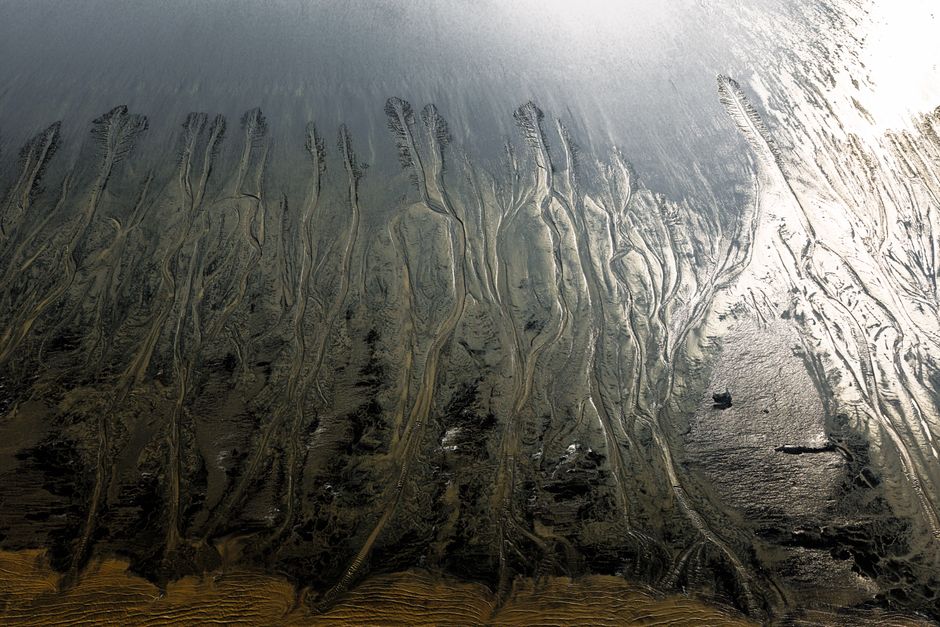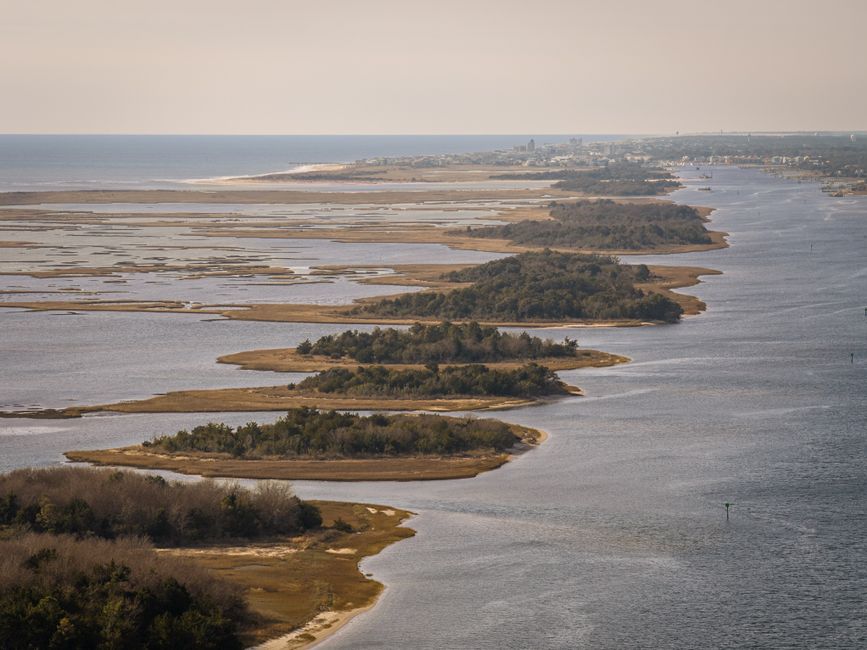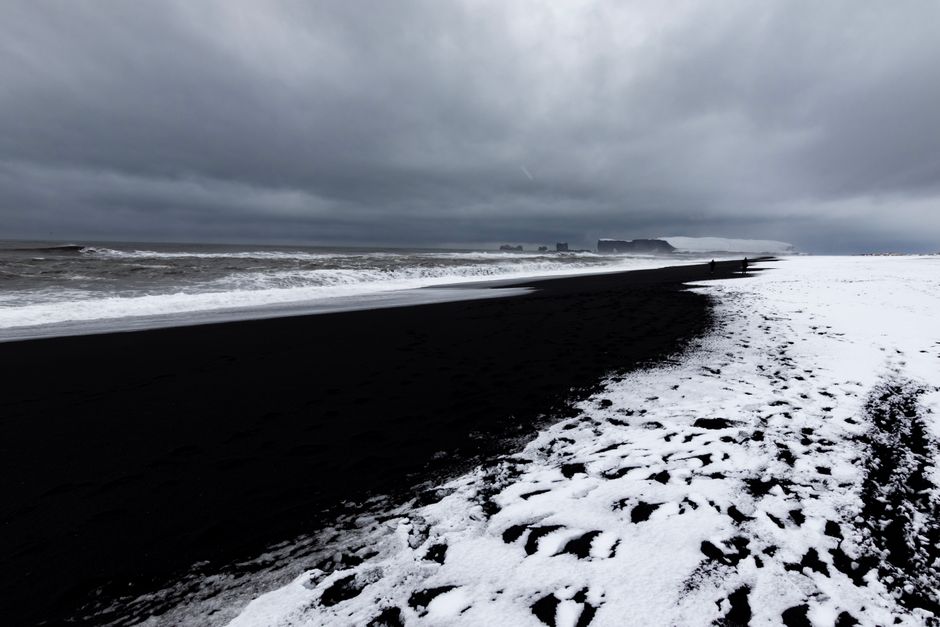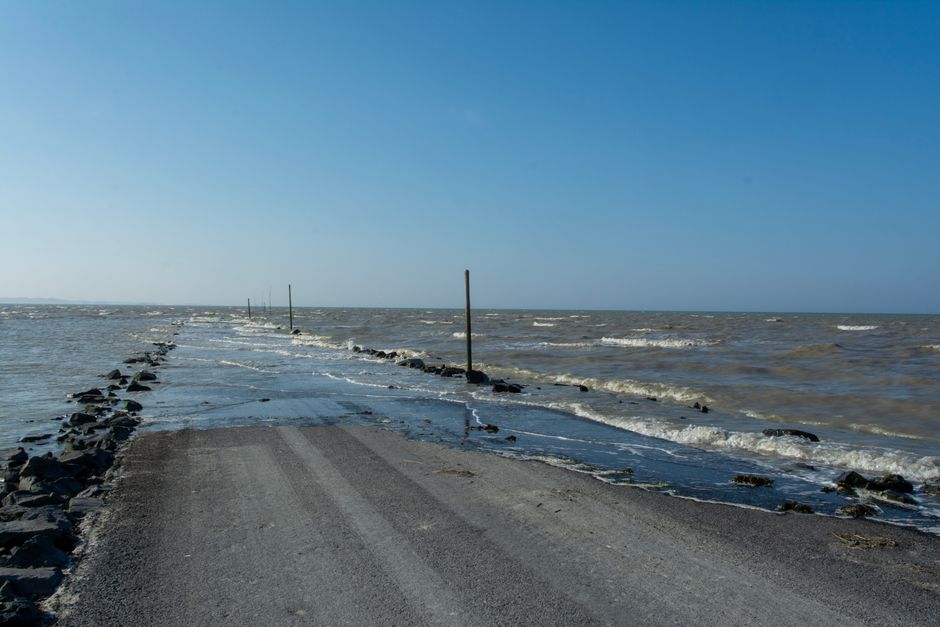
Sea level rise and coastal retreat represent interconnected processes that are reshaping shorelines around the world. As global temperatures increase, thermal expansion of seawater and the melting of land-based ice contribute to higher sea levels. This gradual rise, combined with other factors, accelerates the landward migration of coastlines, a phenomenon known as coastal retreat. The implications for coastal communities are profound, affecting infrastructure, economies, and ecosystems.
Understanding the dynamics of sea level rise and coastal retreat requires a multidisciplinary approach. Geological records provide valuable insights into past sea level fluctuations and shoreline changes, offering a baseline against which current trends can be compared. Meanwhile, adaptation measures aim to reduce vulnerability and enhance resilience, though their effectiveness depends on a range of environmental, social, and economic factors. This article examines the geological evidence and adaptation strategies, with a focus on the United Kingdom, where coastal management is a pressing concern.
By exploring the processes driving sea level rise and coastal retreat, as well as the responses available, this article aims to provide a comprehensive overview for policymakers, coastal managers, and interested stakeholders. It emphasizes the importance of informed decision-making that considers long-term trends and uncertainties.
Understanding Sea Level Rise and Its Drivers
Sea level rise is primarily driven by two major mechanisms: thermal expansion and the melting of land ice. As the ocean warms, water expands, leading to a volumetric increase. Simultaneously, glaciers and ice sheets in Greenland and Antarctica are losing mass at accelerating rates, adding freshwater to the oceans. These processes are influenced by global greenhouse gas emissions and natural climate variability. In addition to these global factors, regional sea level changes can occur due to vertical land movement, such as subsidence or post-glacial rebound.
The rate of sea level rise has not been uniform over time or space. Geological evidence from sediment cores, coral reefs, and coastal deposits indicates that sea levels have fluctuated significantly in the past, often in response to changes in orbital forcing and ice sheet dynamics. For example, during the last interglacial period, about 125,000 years ago, global sea levels were likely 6 to 9 meters higher than present, suggesting that even modest warming can lead to substantial sea level increases. Such evidence helps scientists contextualize current trends and improve projections.
In the United Kingdom, sea level rise is observed through tide gauge records and satellite altimetry. The rate of rise around the UK coast has been approximately 1.5 mm per year over the 20th century, with an acceleration in recent decades. However, local factors such as land subsidence in the southeast and uplift in Scotland modify the relative sea level. These variations mean that coastal retreat is not uniform; some areas experience more rapid shoreline change than others.
Coastal Retreat: Processes and Geological Evidence
Coastal retreat refers to the landward movement of the shoreline due to erosion and inundation. It is a natural process that has shaped coastlines for millennia, but it is now being exacerbated by sea level rise and human activities. Waves, tides, and storms erode beaches, dunes, and cliffs, while rising sea levels allow water to penetrate further inland. In some cases, coastal retreat can be episodic, with major storms causing sudden erosion, followed by periods of recovery. However, when sea level rise outpaces sediment supply, retreat becomes chronic.
Geological evidence provides a long-term perspective on coastal retreat. Studies of coastal sediments, peat layers, and archaeological remains reveal that many current coastlines have migrated landward over thousands of years. For instance, the submerged forests around the UK coast are remnants of ancient woodlands that were inundated as sea levels rose after the last ice age. These deposits not only document past shoreline positions but also indicate the rates at which retreat occurred, offering analogues for future change.
Furthermore, geological records show that coastal retreat can be nonlinear and subject to thresholds. When certain conditions are met—such as the loss of protective barriers or the exhaustion of sediment sources—retreat may accelerate abruptly. Understanding these thresholds is crucial for predicting future shoreline change and for designing effective adaptation measures. In the UK, the Geological Survey and other research institutions have mapped coastal change around the coast, identifying areas at high risk of retreat.
Human interventions, such as coastal defences and beach nourishment, can temporarily halt or slow retreat, but they may also have unintended consequences. For example, hard structures like sea walls can protect a specific area but often exacerbate erosion elsewhere by disrupting sediment transport. Therefore, a holistic understanding of coastal processes and geological context is essential for sustainable coastal management.
Adaptation Measures for Coastal Communities
Adaptation to sea level rise and coastal retreat encompasses a range of strategies aimed at reducing vulnerability and enhancing resilience. These measures can be broadly categorized into three approaches: protect, accommodate, and retreat. Each has its own advantages, limitations, and suitability depending on local conditions, societal values, and resource availability.
- Protection involves building or maintaining defences such as sea walls, embankments, and storm surge barriers to keep the sea at bay. This approach is common in densely populated or high-value areas, but it can be costly and may not be sustainable in the long term, especially where sea level rise accelerates.
- Accommodation entails modifying infrastructure and practices to reduce the impacts of inundation and erosion. Examples include elevating buildings, using flood-resistant materials, and implementing early warning systems. This approach allows communities to continue occupying coastal areas while adapting to changing conditions.
- Retreat, also known as managed realignment, involves allowing the shoreline to move inland in a planned manner. This may include relocating buildings and infrastructure, restoring natural habitats such as salt marshes, and creating buffer zones. Managed retreat can be controversial due to social and cultural attachments to coastal areas, but it may be the most sustainable option in some locations.
In the UK, the concept of shoreline management planning has been adopted to coordinate adaptation across stretches of coast. Shoreline Management Plans (SMPs) divide the coast into sediment cells and recommend a combination of hold the line, advance the line, managed realignment, and no active intervention policies. These plans are developed through stakeholder engagement and consider geological, ecological, and socio-economic factors. However, implementation is often constrained by funding and conflicting interests.
Coastline Surveys, a company specialising in coastal and marine surveys, contributes to adaptation efforts by providing data and analysis that inform decision-making. Through bathymetric and topographic surveys, they help characterize coastal processes and monitor changes, supporting the development of evidence-based strategies. Such technical input is essential for understanding the efficacy of adaptation measures and for adaptive management.
It is important to note that no single adaptation measure is universally applicable. The choice of strategy depends on site-specific conditions, including geological setting, wave climate, sediment availability, and the values of the affected community. Moreover, adaptation is an ongoing process, requiring regular review and adjustment as new information emerges and conditions change.
Challenges and Future Directions
Implementing effective adaptation to sea level rise and coastal retreat faces numerous challenges. One major obstacle is the inherent uncertainty in future sea level projections, which complicates planning and investment decisions. While scientific understanding has improved, the range of possible outcomes remains wide, particularly for the latter half of this century and beyond. This uncertainty calls for flexible and robust adaptation strategies that can be adjusted over time.
Another challenge is the financial and institutional capacity to implement adaptation measures. Coastal defence is expensive, and resources are often limited. Furthermore, the benefits of adaptation may not be evenly distributed, raising questions of equity and justice. Communities with fewer resources may be less able to protect themselves or relocate, leading to disproportionate impacts. Addressing these disparities requires inclusive planning and targeted support.
Governance and coordination across different levels of government and sectors are also critical. Coastal zones are often managed by multiple agencies with varying mandates, which can lead to fragmented approaches. Integrated coastal zone management (ICZM) aims to overcome these barriers by fostering collaboration and holistic planning. In the UK, organizations such as the Environment Agency and local authorities work together, but challenges remain in aligning policies and funding.
Looking ahead, advancements in monitoring technologies, such as satellite remote sensing and LiDAR, offer opportunities to track coastal changes with greater precision. These data can feed into models that simulate future scenarios, helping to inform adaptation pathways. Additionally, nature-based solutions, such as the restoration of mangroves and salt marshes, are gaining recognition for their ability to provide coastal protection while delivering co-benefits for biodiversity and carbon sequestration.
Finally, public awareness and engagement are essential for successful adaptation. Coastal communities need to understand the risks they face and the options available. Participatory processes that involve stakeholders in decision-making can build trust and ensure that adaptation measures reflect local needs and values. Education and communication efforts should convey the science of sea level rise and coastal retreat in accessible ways.
Conclusion
Sea level rise and coastal retreat are ongoing processes that present significant challenges for coastal communities worldwide, including those in the United Kingdom. Geological evidence reveals that shorelines have always been dynamic, but the current rate of change is unprecedented in recent human history. Adaptation measures, ranging from protection to managed retreat, offer ways to reduce vulnerability, but their effectiveness depends on careful planning, stakeholder engagement, and adaptive management. As understanding of coastal systems improves, so too does the ability to make informed decisions. Ultimately, the response to sea level rise and coastal retreat will require a combination of technical, social, and institutional approaches, tailored to the specific context of each coastal area.